AGP Executive Report
Last update: 2 days agoOver the last 12 hours, the dominant thread in coverage is the breakdown of Ukraine- and Russia-proposed ceasefires ahead of Russia’s May 9 Victory Day. Ukrainian President Volodymyr Zelensky accused Moscow of “obvious spurning” of a Kyiv-proposed truce after Russia carried out “dozens of battlefield assaults, air strikes and drone attacks,” with Zelensky saying Russia committed 1,820 violations by late morning Wednesday. Ukraine’s foreign minister similarly framed the situation as rejection of peace, and the reporting also includes claims of continued strikes even as ceasefire talk was underway. In parallel, there are reports of suspected Ukrainian drone activity inside Russia, including an unverified claim that drones targeted a Russian military logistics facility near Moscow’s Naro-Fominsk.
A second major development in the same window is Russia’s escalation of warnings to foreign diplomats in Kyiv tied to the Victory Day commemorations. Multiple reports say Russia warned embassies to evacuate personnel ahead of a potential “retaliatory strike” if Ukraine disrupts the May 9 events in Moscow, including threats framed as targeting “decision-making centres.” The coverage also ties these warnings to Zelensky’s criticism of Russia’s ceasefire posture and to fears of drone activity around Red Square, with Russia positioning its own parade-focused approach as the basis for any “truce.”
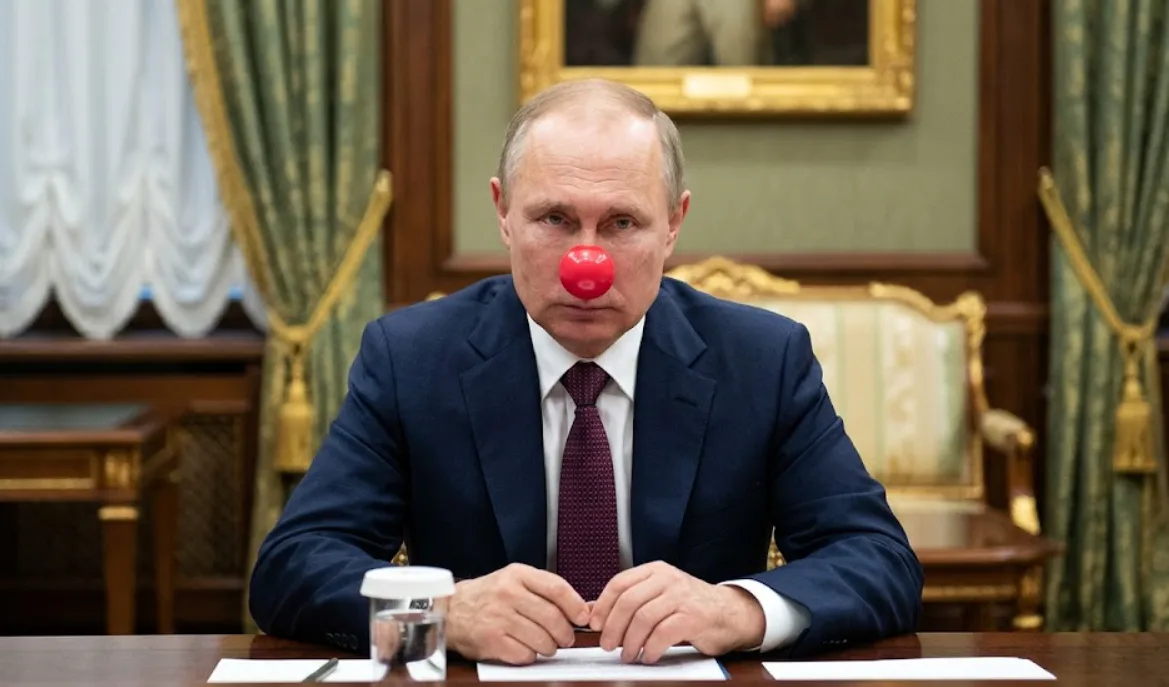
Beyond the ceasefire and diplomatic warnings, the last 12 hours also show broader spillover and political messaging around the war. NATO jets were scrambled after drones “from Russia” were reported entering Latvian airspace, prompting school closures and “stay indoors” alerts—an example of how the conflict’s dynamics are being portrayed as regional. Separately, Russian state-linked media coverage is described as increasingly mocking economic conditions and Putin amid inflation and shortages, suggesting domestic pressure and unusual public airing of dissatisfaction.
As supporting background from the prior days, the same ceasefire dispute is repeatedly echoed: Russia and Ukraine are described as announcing rival unilateral ceasefires around May 8–9 and then trading accusations of violations, with Ukraine arguing Russia’s parade-centered approach undermines any real de-escalation. The broader context also includes ongoing international political friction around Russia’s presence and symbolism—such as protests at the Venice Biennale against the Russian pavilion—reinforcing that Victory Day is being treated not only as a military-political moment but also as a focal point for international contestation.
Note: AI-generated summary based on news headlines, with neutral sources weighted more heavily to reduce bias.